15 Proven Gamification and Marketing Strategies That Drive Customer Engagement in 2024

Customer engagement rates are plummeting across industries, with studies showing that traditional marketing approaches are losing their effectiveness. If you're struggling to capture and maintain your audience's attention, you're not alone. This comprehensive guide reveals 15 battle-tested gamification and marketing strategies that leading brands use to transform passive customers into active, loyal participants. You'll discover practical implementation methods, real-world applications, and actionable insights that can immediately boost your customer engagement metrics.
Why Gamification and Marketing Integration Matters Now
Traditional marketing channels face unprecedented challenges. Email open rates have declined significantly, social media organic reach continues to shrink, and customers develop banner blindness faster than ever. Meanwhile, the gaming industry has proven that well-designed engagement mechanics can keep users active for hours, days, and even years. Marketing professionals, business owners, and customer experience managers are discovering that combining proven game design principles with marketing strategies creates powerful solutions for customer retention, brand loyalty, and revenue growth. The core challenge isn't getting customers' initial attention—it's maintaining meaningful engagement over time while building genuine relationships that translate into business value.
Quick Reference: 15 Essential Gamification Marketing Strategies
Before diving deep, here are the core strategies organized by implementation complexity and business impact:
- Point-based loyalty systems with tier progression
- Challenge-based content marketing campaigns
- Social leaderboards and community competition
- Achievement badges for customer milestones
- Interactive product discovery quizzes

Foundation Strategies: Points, Badges, and Progress Systems
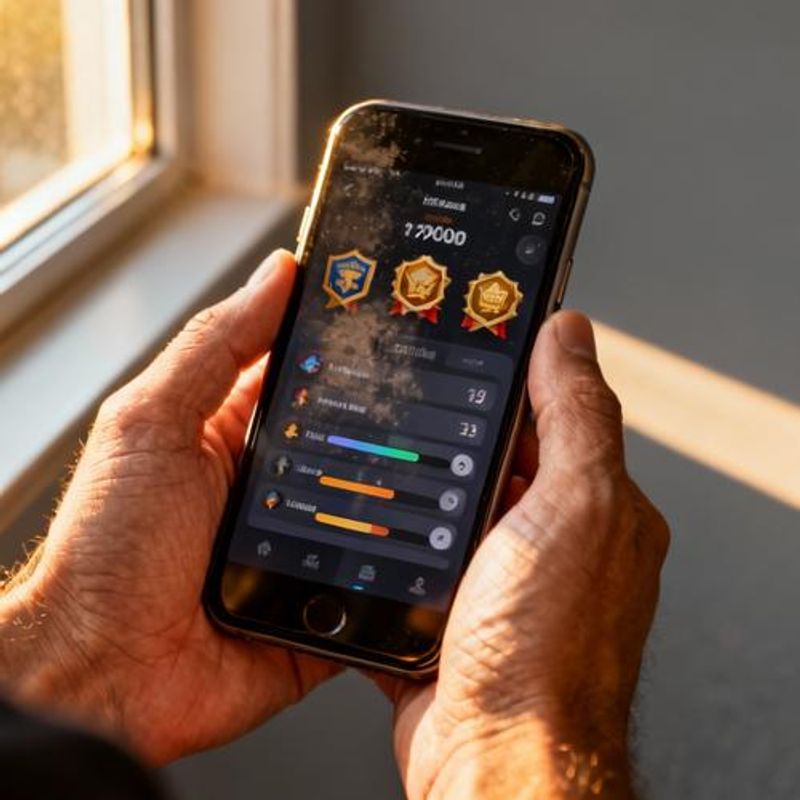
Point-based systems form the backbone of successful gamification and marketing integration. Customers earn points for desired behaviors: purchases, referrals, social shares, or content engagement. The key lies in creating meaningful point values that reflect actual customer effort and business value. Successful implementations typically offer 1 point per dollar spent, bonus multipliers for specific actions, and redemption rates that provide genuine value without destroying profit margins. Badge systems work best when they recognize genuine achievements rather than participation trophies. Design badges for meaningful milestones: first purchase, loyalty anniversaries, product expertise, or community contributions. Progress bars and level systems tap into completion psychology, encouraging customers to reach the next tier or unlock new benefits. Visual progress indicators should be prominently displayed and updated in real-time to maintain engagement momentum.
Advanced Engagement: Challenges and Social Competition
Challenge-based campaigns transform routine interactions into engaging experiences. Monthly fitness challenges, photo contests, knowledge quizzes, or user-generated content competitions create time-bound excitement and community participation. Successful challenges have clear rules, achievable goals for various skill levels, and rewards that match participant effort. Social leaderboards introduce healthy competition while building community connections. Display top performers weekly or monthly, but also create multiple categories so different customer types can compete fairly. Consider leaderboards for total engagement, recent activity, specific product categories, or regional performance. Peer-to-peer challenges enable customers to invite friends, creating viral growth opportunities while strengthening existing relationships. Design invite systems that benefit both the challenger and the challenged, ensuring mutual value creation.
Personalization and AI-Driven Experiences
Modern gamification leverages customer data to create personalized experiences that adapt to individual preferences and behaviors. Recommendation engines can suggest challenges based on past participation, offer customized point-earning opportunities, or present relevant badge achievements. Adaptive difficulty systems ensure challenges remain engaging without becoming frustrating, automatically adjusting based on customer success rates and engagement patterns. Personalized progress tracking shows customers their individual journey while comparing progress against similar customer segments. Dynamic reward systems can modify point values, badge requirements, or challenge difficulty based on customer lifetime value, engagement frequency, or risk of churn.
Implementation Examples and Ready-to-Use Templates
E-commerce Implementation: Create a three-tier loyalty system (Bronze, Silver, Gold) with escalating benefits. Bronze members earn 1 point per dollar spent, Silver members earn 1.5 points, and Gold members earn 2 points plus early access to sales. Add challenge campaigns like '30-Day Style Challenge' where customers earn bonus points for daily app check-ins and outfit photos. SaaS Platform Example: Design achievement badges for feature adoption, usage milestones, and customer success metrics. Implement weekly usage challenges with leaderboards showing top teams by feature engagement. Offer exclusive beta access or premium support as high-tier rewards. Service Business Template: Build referral game mechanics where customers advance through levels based on successful referrals. Each level unlocks better rewards: discounts, exclusive services, or VIP treatment. Add social recognition through customer spotlight features and community testimonials.

Common Pitfalls and How to Avoid Them
Over-gamification creates cognitive overload and diminishes the core product experience. Avoid adding game elements to every customer touchpoint; instead, focus on key engagement moments where gamification adds genuine value. Point inflation devalues the entire system—resist the temptation to offer massive point bonuses that make regular earning feel insignificant. Badge meaninglessness occurs when achievements are too easy or too frequent. Design badges that require genuine effort and represent real accomplishments. Neglecting non-competitive customers excludes personality types who avoid competition. Always provide individual progress paths alongside social competitive elements. Platform complexity can overwhelm users—start simple with basic point earning and gradually introduce advanced features based on user adoption and feedback. Ignoring mobile optimization limits accessibility since many customers primarily engage through mobile devices.
Measuring Success and Optimization Strategies
Track engagement metrics including participation rates, feature adoption, time spent in gamified sections, and completion rates for challenges or levels. Monitor business impact through customer lifetime value changes, retention rate improvements, referral generation, and revenue per customer increases. Analyze user behavior patterns to identify which game elements drive the most engagement and business value. Conduct A/B testing on point values, badge designs, challenge difficulty, and reward structures to optimize performance. Survey participants regularly to understand motivation factors, satisfaction levels, and suggestions for improvement. Use cohort analysis to compare gamified versus non-gamified customer segments across key performance indicators.
Next Steps for Implementation Success
Start with one or two gamification elements rather than implementing a comprehensive system immediately. Choose elements that align closely with your existing customer behaviors and business objectives. Test with a small customer segment, gather feedback, and iterate before full deployment. Consider partnering with gamification platforms or consulting with user experience designers who specialize in engagement mechanics. Document your strategy, set clear success metrics, and plan for ongoing optimization based on customer response and business results. Remember that successful gamification and marketing integration requires ongoing attention and refinement—it's not a set-and-forget solution, but rather an evolving engagement strategy that grows with your customer base and business needs.