What is Gamification at Work? A Complete Guide to Boosting Employee Engagement
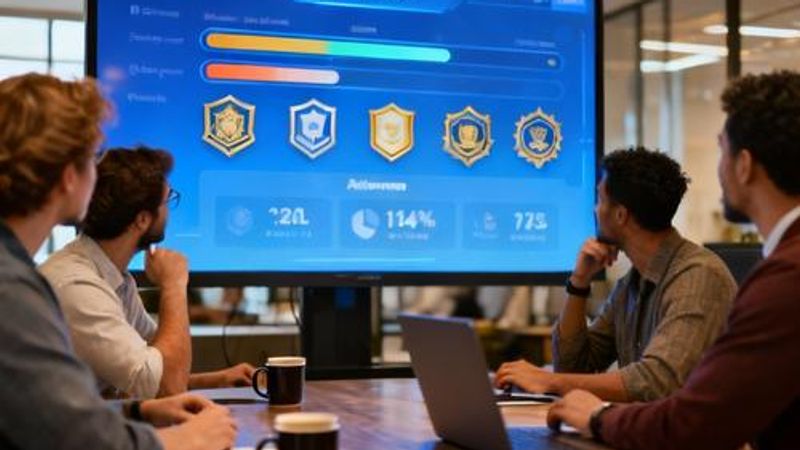
Struggling with low employee engagement and declining productivity? You're not alone. Research shows that disengaged employees cost organizations billions annually. Gamification at work offers a proven solution by transforming routine tasks into engaging experiences using game-like elements. This comprehensive guide reveals how workplace gamification can revolutionize your team's motivation, boost performance metrics, and create a more dynamic work environment that employees actually enjoy.

The Engagement Crisis: Why Traditional Motivation Isn't Working
If you're a manager, HR professional, or team leader, you've likely witnessed the telltale signs: missed deadlines, lackluster performance reviews, high turnover rates, and that unmistakable sense of going through the motions. Traditional motivation methods—annual bonuses, performance reviews, and team-building retreats—often fall short of creating lasting engagement. The problem isn't your employees; it's that the modern workforce craves immediate feedback, clear progress indicators, and meaningful recognition. This is where gamification at work becomes a game-changer, literally transforming how we approach workplace motivation.
Quick Reference: Gamification at Work Essentials
Before diving deep, here are the key takeaways you'll discover in this guide:
- Gamification applies game mechanics to work tasks, increasing engagement by up to 90%
- Core elements include points, badges, leaderboards, progress tracking, and achievement systems
- Best applications: training programs, sales targets, project management, and skill development
- Success requires clear objectives, meaningful rewards, and alignment with company culture
Understanding Gamification at Work: Definition and Core Components
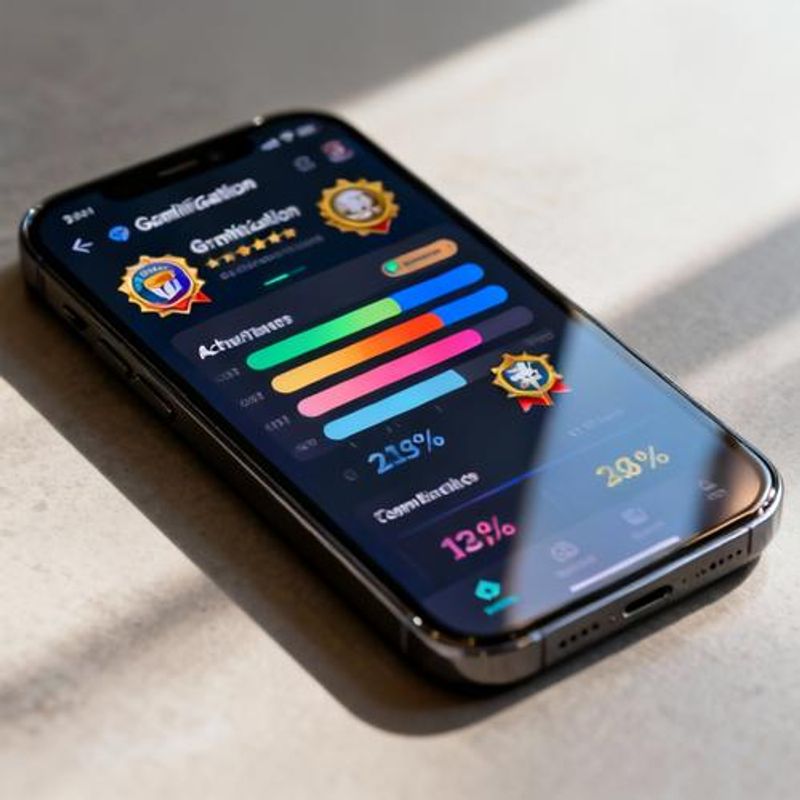
Gamification at work involves strategically incorporating game design elements and mechanics into workplace activities to enhance employee engagement, motivation, and performance. Unlike simply playing games at work, this approach transforms existing tasks and processes by adding layers of competition, achievement, and progress tracking. The core components include: Points Systems that quantify accomplishments and provide immediate feedback on performance; Achievement Badges that recognize specific milestones and skill mastery; Leaderboards that foster healthy competition and peer recognition; Progress Bars that visualize advancement toward goals; Challenges and Quests that break large projects into manageable, engaging tasks; and Social Elements that encourage collaboration and team building. These elements tap into fundamental human psychology—our intrinsic desires for mastery, autonomy, and purpose—while providing the external validation and clear feedback loops that drive sustained motivation.
Real-World Implementation: How Leading Companies Use Workplace Gamification
Sales teams often implement point-based systems where each call, meeting, and closed deal earns specific point values, with monthly leaderboards driving friendly competition. Customer service departments use badge systems to recognize expertise in different product areas or exceptional customer satisfaction scores. Training programs incorporate progress tracking and completion certificates, making learning more engaging and measurable. Project management becomes more dynamic when teams earn collective points for meeting deadlines, staying within budget, or achieving quality metrics. HR departments gamify recruitment by creating referral programs with achievement levels and rewards. Even routine tasks like expense reporting or safety compliance become more engaging when employees can earn recognition and track their consistency over time.
Step-by-Step Implementation Framework
Start by identifying specific behaviors or outcomes you want to improve—whether it's meeting deadlines, completing training modules, or increasing collaboration. Define clear, measurable objectives that align with your business goals. Choose appropriate game elements that match your workplace culture; conservative environments might prefer progress tracking and achievement recognition, while dynamic teams might embrace leaderboards and competitions. Design a point system that reflects the relative value of different activities. Create meaningful rewards that motivate your specific workforce—this could range from public recognition to professional development opportunities. Launch with a pilot group to gather feedback and refine the system. Communicate the purpose clearly, emphasizing growth and recognition rather than punishment. Monitor engagement levels and adjust elements based on user feedback and performance data.

Common Pitfalls and How to Avoid Them
The biggest mistake is treating gamification as a quick fix rather than a strategic initiative that requires ongoing refinement. Avoid over-gamifying every process—focus on areas where engagement genuinely needs improvement. Don't create systems that pit employees against each other destructively; healthy competition should enhance team dynamics, not damage relationships. Ensure your reward systems are meaningful to your workforce; generic rewards often fail to motivate. Avoid making the system too complex—if employees can't understand how to earn points or progress, they'll disengage. Don't ignore cultural fit; what works in a startup might not suit a traditional corporate environment. Finally, never use gamification to manipulate or exploit employees—transparency and genuine value creation are essential for long-term success.
Measuring Success and ROI
Track engagement metrics such as participation rates, task completion times, and voluntary participation in optional challenges. Monitor performance indicators relevant to your objectives—sales numbers, training completion rates, customer satisfaction scores, or project delivery times. Survey employees regularly about their experience and motivation levels. Measure retention rates and absenteeism changes. Calculate the cost of implementation against productivity gains and engagement improvements. Most organizations see measurable improvements within 3-6 months when gamification is properly implemented and aligned with clear business objectives.
Getting Started: Your Next Steps
Gamification at work isn't just a trend—it's a strategic approach to employee engagement that aligns with how people naturally seek motivation and recognition. Start small with a pilot program in one department or process. Focus on clear objectives, meaningful rewards, and genuine value creation for your employees. Remember that successful workplace gamification requires ongoing attention and refinement, but the investment in employee engagement and performance improvement makes it worthwhile. Ready to transform your workplace culture? Begin by identifying one specific area where engagement could improve, and design a simple point or achievement system around it. Your employees—and your bottom line—will thank you.